 |
| Australia: Land Downunder |
 |
| Buses and Trains |
 |
| South Coast and SW NSW, Australia, 2007 |
 |
| Cairns and Cape York, 2011 |
 |
| Cairns and FNQ, Australia, 2012 |
 | ||
Tokyo Streetscapes
|

Memoirs of a Nomadic Soul Clawing His Way, One Mile at a Time, Around the World!
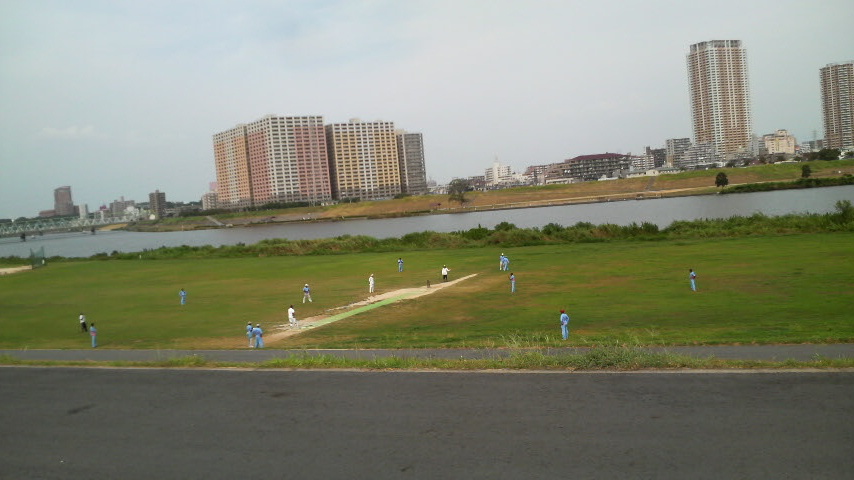 |
| Indian cricket game on the bank of the Edogawa River, facing Ichikawa City, surrounded by baseball fields. |
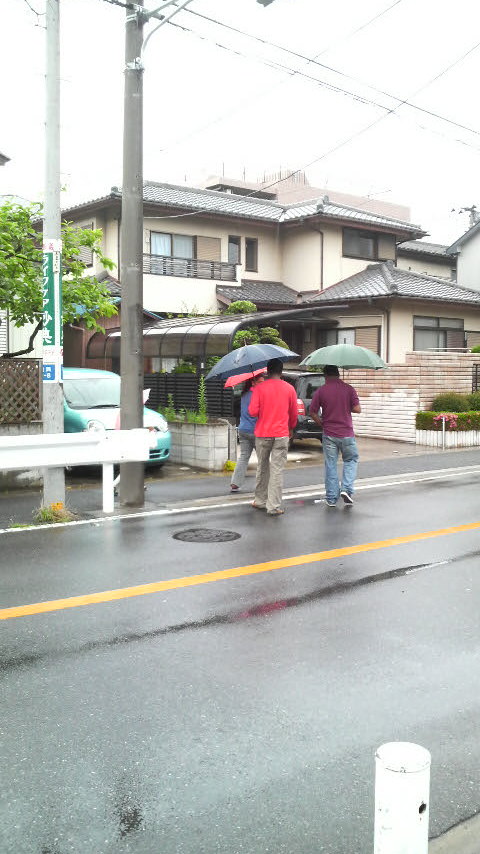 |
| Myoden, a quiet suburban region near Urayasu in Chiba Prefecture, boasts a large Indian community, as well as an Indian kindergarten. |
 |
| PAL Arcade in Koenji, the heart of Tokyo's "Little India". |
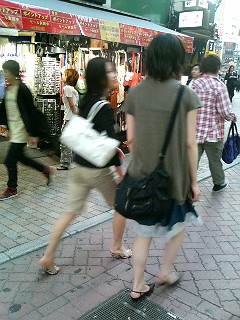 One of the first places I visited in Japan was Shibuya (渋谷), the jubilant youth fashion quarter south of Shinjuku, on the prosperous west side of Tokyo. The date was November 11 2000, my first ever morning in Japan! The sun was shining, the crows were cawing: it was textbook Tokyo to a treat. Unfortunately, my baggage had been lost in transit, and was sitting on a carousel at the airport in Singapore. I was dressed only in my Australian jeans and a T-shirt, and the cold Japanese winter was coming on. I needed to buy a winter coat -- and cheaply! Fortunately, Shibuya saved me. That's the great thing about it, it is a Mecca for recycled clothing. I never expected it would be like this, until I took my first stroll through the narrow winding streets here, looking for a place to stay. I thought Japanese hated old stuff, and were obsessed with the shiny and new. Certainly, the architecture accumulated around Shibuya's sprawling railway station seemed futuristic to a fault, that morning in November 2000: towering department stores, some adorned with colossal TV screens or posters of J-Pop stars, and ads for the latest Beatles anthology. That was the kind of Japan I was expecting and it was all there, in overload. Brand name department stores and bling, check. Fast, brightly colorful passenger trains whizzing by overhead, you bet. Hypermanic salespeople spruiking the crowds with their megaphones and cupped hands, sure. But second hand clothes stores? Who would have thought that? There were tonnes of them, especially on the road which links Shibuya to Yoyogi Park, which I trudged up looking for lodgings. I couldn't find anywhere to stay, but I shortly discovered a preloved jacket, in a bitching industrial style!
 According to the must see website: "Shibuya leads Japan in popularity, constantly creating new culture in the worlds of fashion, food, and music. Fashion trends that start here always draw the attention of young people and they quickly spread throughout Tokyo and then the rest of the country. Sometime between the late 80's and early 90's, Shibuya started to attract public attention as a fashion town. Shibuya, subsequently became more entrenched as the definitive spot for Tokyo's youth. With the boom in brand awareness and the economic boost of the Bubble Economy, PARCO and Marui enjoyed several prosperous years in that era. After Shibuya reached its peak as a trend-setting neighborhood, the town quickly fell back during the economic strife of the late 90's. Though the unusual fashion and makeup among teenage girls captured public attention again during the late 90's, it was in vogue for a very short time."
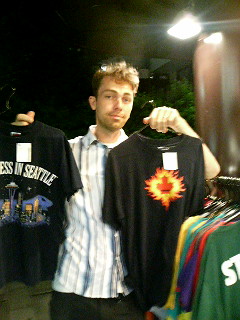
There are two choices when it comes to buying used clothes in Tokyo: flea markets or clothing shops. Make that three choices if you count the street stalls that crop up on sunny days.
A visit to the Sunday flea market on the roof of the Tokyu Store, across from the East Exit of Shibuya Station, gives a glimpse into the future of clothes recycling in Japan. Most of the buyers and sellers are school kids in their early teens, who pour out of the rooftop elevator at 10 A.M. lugging big sacks of clothes to sell to each other. The limited roof space fills up quickly with shoppers sifting through clothes, shoes, a few electronic goods and the occasional box of used CDs or tapes.
By 11 A.M. the place is crammed, but you can usually decide whether a vendor's clothes are worth working your way toward by looking at what he or she is wearing. If the vendor goes for the massive-street-pants-and-oversized-shirt look, and you don't, try another direction.
Prices vary, but they tend to be low. Jeans that sell for 7,000 yen ($84) or more at the established Shibuya department stores can be found in nearly the same condition for 1,000 yen or less. T-shirts are another popular item that can be bought for around 500 yen. Point out imaginary flaws and demand a discount if you want: Bargaining is considered all part of the fun.That's an insight into flea markets, but what about the vintage stores? Here is a snapshot of what existed in Shibuya in the mid 2000s (sorry if some of this information is a bit old!):
The craze for vintage clothing has been hitting some fashion retailers pretty hard, especially those whose business is street casual wear. Few brands are as prized as adidas when it comes to vintage, and the guys at head office have come up with a scheme to cash in on the cachet of the company's illustrious history: adidas Originals. Opened on Cat Street last month, the store is laid out much like a flea market with low trestle tables and haphazard stacks of cardboard boxes. The stock consists chiefly of remakes of classic adidas items from 1972-1996, allowing shoppers to get the retro look without having to traipse around swap meets or trawl through vintage stores. You may need to wear in the 83-C training top and 1976 Stan Smiths yourself, but at least the smells and stains will be your own. Some newly designed items on offer include the affordable Levi's collaboration denim sneakers and not-so-affordable Swarovski collaboration, a rhinestone-encrusted fantasy shoe available only in this store.The shack is open from 11am-8pm daily.
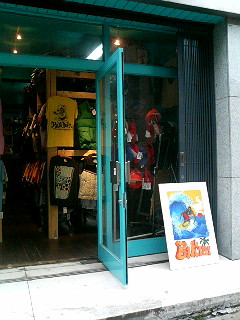 Bikini Surfboard: 渋谷区神宮前.
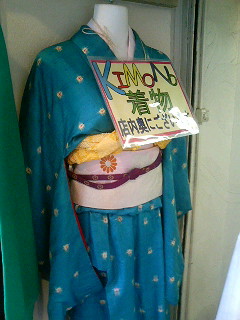 Chicago: 渋谷区神宮前6-31-21.
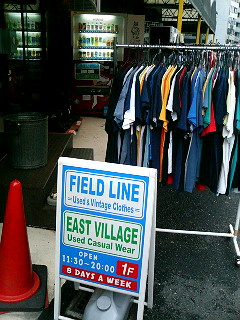 East Village/Field Line: 渋谷区神宮前6-19-16第3宇都宮ビル1F .
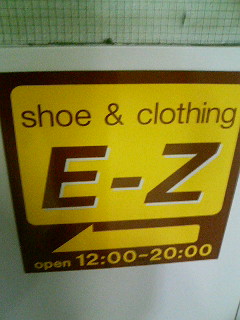 E-Z shoe & clothing: 渋谷区神宮前1-12-16和光ビル2AF.
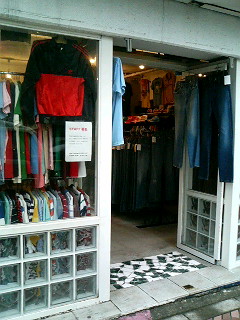 Flamingo Saloon: 渋谷区神南.
 John's Clothing: 渋谷区神南1-11-5 ダイネス壱番館1F.
 You can find a lot of neat stuff in Shibuya... there is a whole hilly hiphop district and a big mall devoted solely to Harley Davidson apparel. The classic clothes district of Shibuya is not half as glamorous as the hiphop district, but perhaps that is in keeping with the laidback attitudes of the genre. In the middle of the district I found a store called More Budget ESP -- whether it is still there with the same name when you visit is an open question. Interestingly, More Budget is not really a classic clothes shop at all... but rather a hiphop/reggae influenced boutique. If like me you like reggae you will also like this shop. There are plenty of fliers on display giving you a good introduction to the Japanese reggae scene. For example I picked up a leaflet advertising a Reggae Dancehall night called Rocker's Paradise at Shibuya Club Camelot (every 2nd Wednesday ++ next show on 07/02/14 featuring Burn Down from Osaka, Super-G and Gladiator with sound system + 2500 Yen plus ID to get in the door.) Apart from Shibuya Club Camelot, the long running Club Asia is another good place to catch reggae and hiphop events. Also check out Club Unity. If you need to buy reggae records in Shibuya, go to Homebass Records, duel, or Rocker's Island.
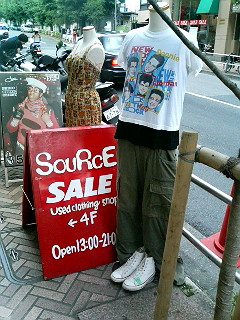
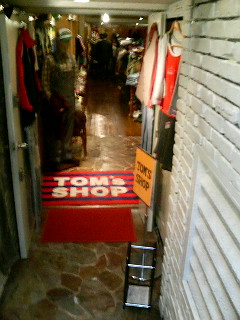 Tom's Shop: 渋谷区神宮前1-12-16和光ビルBF.
 |
| Cafe Vuon Kieng, on Ton Duc Thang Street, in Ho Chi Minh City (Vietnam, 2010) |
 |
| Watching the world slide by at Cafe Vuon Kieng, on Saigon River (Vietnam, 2010) |
 |
| Chefs sizzling at their wo(r)k, in Ho Chi Minh City (Vietnam, 2010) |
 |
| Not quite Banh goi, but in the same basic ballpark (Vietnam, 2010) |


